

Looking After Your Eyes Is Part of Looking After You
Living with diabetes means keeping an eye on more than your blood sugar. Diabetes can also affect the small blood vessels that supply the retina, making regular eye exams an important part of protecting your vision.
At Envy Eyewear Boutique, we keep diabetic eye exams thorough, straightforward, and comfortable. We’ll look for changes that may not cause noticeable symptoms yet, explain what we find, and help you understand what comes next.
Put your eye health first. Contact us to schedule your next eye exam today.
- The Beaches
- Upper Beaches
- Leslieville
- Gerrard St.
- Riverdale
- East Danforth
- The Beaches
- Upper Beaches
- Leslieville
- Gerrard St.
- Riverdale
- East Danforth
Why Do People with Diabetes Need Eye Exams?
High blood sugar can affect the blood vessels in the retina, the light-sensitive tissue at the back of your eye. Over time, this can contribute to diabetic eye diseases, including diabetic retinopathy and diabetic macular edema.
The tricky part? These conditions can develop gradually without obvious changes to your vision. Regular eye exams give us an opportunity to spot early signs, monitor changes over time, and recommend next steps before vision is significantly affected.
Your eye health is worth keeping on the radar.
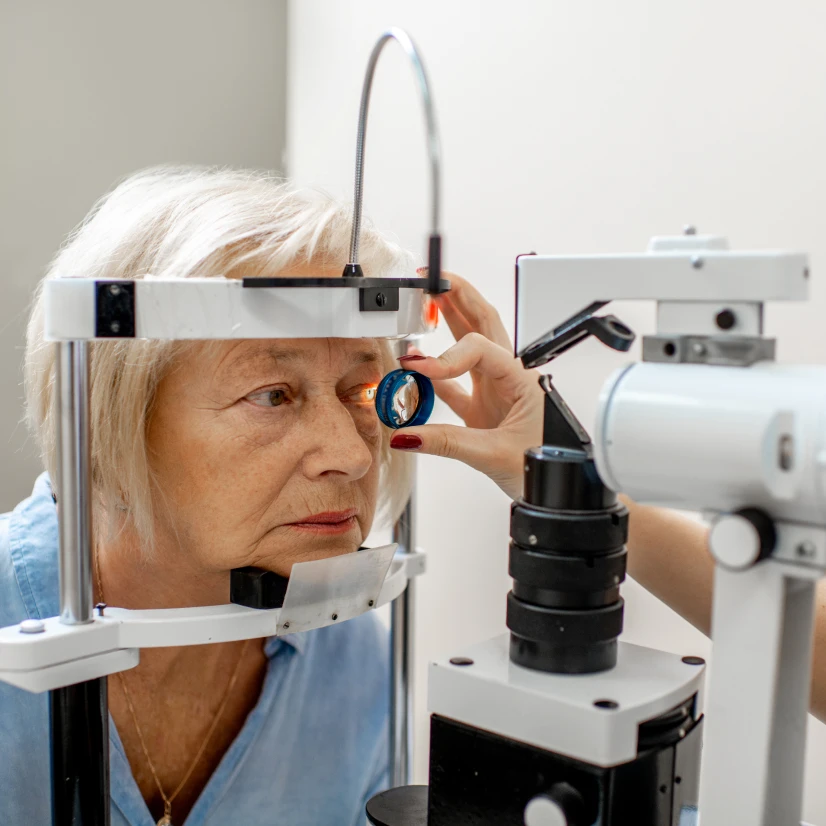
How Often Should People with Diabetes Have an Eye Exam?
People with diabetes should generally have a comprehensive eye exam at least once a year. Depending on your diabetes, eye health, blood sugar control, and whether changes have already been detected, your optometrist may recommend more frequent monitoring.
If you have diabetes and it has been a while since your last eye exam, there’s no need to feel guilty about it. Just book the appointment and let’s get your eyes back on the schedule.
What Is Diabetic Retinopathy?
Diabetic retinopathy occurs when high blood sugar damages the blood vessels in the retina. In its early stages, there may be little or no noticeable effect on vision.
As the condition progresses, damaged blood vessels can leak fluid or blood into the retina. In more advanced cases, abnormal blood vessels may develop and cause more serious complications.
Regular eye exams allow us to monitor the retina and look for changes before they become a bigger problem.
What Is Diabetic Macular Edema?
Diabetic macular edema, or DME, can occur when damaged retinal blood vessels leak fluid into the macula, the part of the retina responsible for detailed central vision.
Swelling in the macula can affect your ability to read, recognize faces, drive, or see fine details clearly. Early detection and appropriate management can help protect your vision.
What Happens If We Find Changes?
Finding signs of diabetic eye disease does not automatically mean you’re facing serious vision loss. There are effective ways to manage and treat diabetic retinopathy and diabetic macular edema, depending on the type and severity of the condition.
Management may include:
- Improving blood sugar, blood pressure, and cholesterol control with your healthcare team
- Regular eye exams to monitor changes
- Referral to an ophthalmologist for specialized assessment and treatment
- Anti-VEGF injections to reduce abnormal blood vessel growth and retinal swelling
- Laser treatment in certain cases
- Other surgical or medical treatments when appropriate
If we notice something that needs more specialized attention, we’ll explain what we’re seeing and help connect you with the appropriate care.
A Little Prevention Goes a Long Way
Diabetes can affect many parts of your health, and your eyes are no exception. Keeping up with your regular eye exams, managing your diabetes with your healthcare team, and paying attention to changes in your vision can all play a role in protecting your sight.
And remember, you don’t have to wait until something looks blurry to come see us. That’s kind of the point of an eye exam.
Frequently Asked Questions About Diabetic Eye Exams
Yes. Diabetic eye diseases can develop before noticeable vision changes occur. Regular eye exams help detect changes early, even when your vision still feels perfectly normal.
A comprehensive eye exam at least once a year is generally recommended for people with diabetes. Your optometrist may recommend more frequent exams depending on your individual risk factors and eye health.
Yes. Treatment depends on the type and stage of diabetic retinopathy. Management can include monitoring, improved control of diabetes and other health factors, injections, laser treatment, or surgery when appropriate.
It can, particularly when it is not detected or managed. The good news is that early detection and appropriate treatment can help reduce the risk of serious vision loss.
Bring your current glasses or contact lenses, a list of medications if available, and any relevant information about your diabetes and overall health. If you see other healthcare providers for your diabetes, their information may also be helpful.











Come Visit Our Optical Shop in The Beaches
We’re just 20 minutes south of downtown Toronto, and a short stroll from the beach. Stop by, and we’ll help you find a look you love.
Our Address
- 1944 Queen St. E
- Toronto, ON M4L 1H6
Contact Information
- Phone: 365-650-6826
- Email: envyeyewearboutique@gmail.com
Hours of Operation
What Our
Patients
Are Saying
Yasmin fixed my two glasses for free. Thank you very much!
The place is fashionable and clean inside. I’ll come back to buy new items.
Yoko K
Yasmin worked hard to get my warranty approved and I now finally have great sunnies just in time for summer! I appreciate how hard Yasmin worked behind the scenes for me.
Lauren Hoffman
This place is excellent! Great service and very knowledgeable. My son and I have been for a few appointments now and we always feel well taken care of. Highly recommend!
Philip Nguyen

Envy Eyewear Boutique

Specialty Eye Exams
Brands
Our Location
- 1944 Queen St. E
- Toronto, ON M4L 1H6
Contact Us
- Phone: 365-650-6826
- Email: envyeyewearboutique@gmail.com