

Your Eyes Appreciate Healthy Food Too
Your eyes may not have taste buds, but they definitely benefit from what you put on your plate. A balanced diet provides the vitamins, minerals, antioxidants, and healthy fats your eyes need to support healthy vision and eye health as you age.
At Envy Eyewear Boutique, we’re happy to talk about the connection between nutrition and your eyes, from foods that support healthy tears to nutrients that support your eyes as they age. No complicated diet rules, no guilt trips, and definitely no requirement to become a kale enthusiast.
Curious about what your eyes need? Let’s talk about it at your next appointment.
- The Beaches
- Upper Beaches
- Leslieville
- Gerrard St.
- Riverdale
- East Danforth
- The Beaches
- Upper Beaches
- Leslieville
- Gerrard St.
- Riverdale
- East Danforth
What You Eat Can Support Your Eye Health
There isn’t one magical food that will prevent eye disease, but a balanced diet rich in certain vitamins, minerals, antioxidants, and healthy fats can support your eyes as you age. Some nutrients and foods worth adding to your plate include:
- Omega-3 fatty acids: Found in fatty fish like salmon and tuna, as well as flaxseeds and other plant sources. Omega-3s may support healthy tear function and can be particularly relevant for people experiencing dry eye.
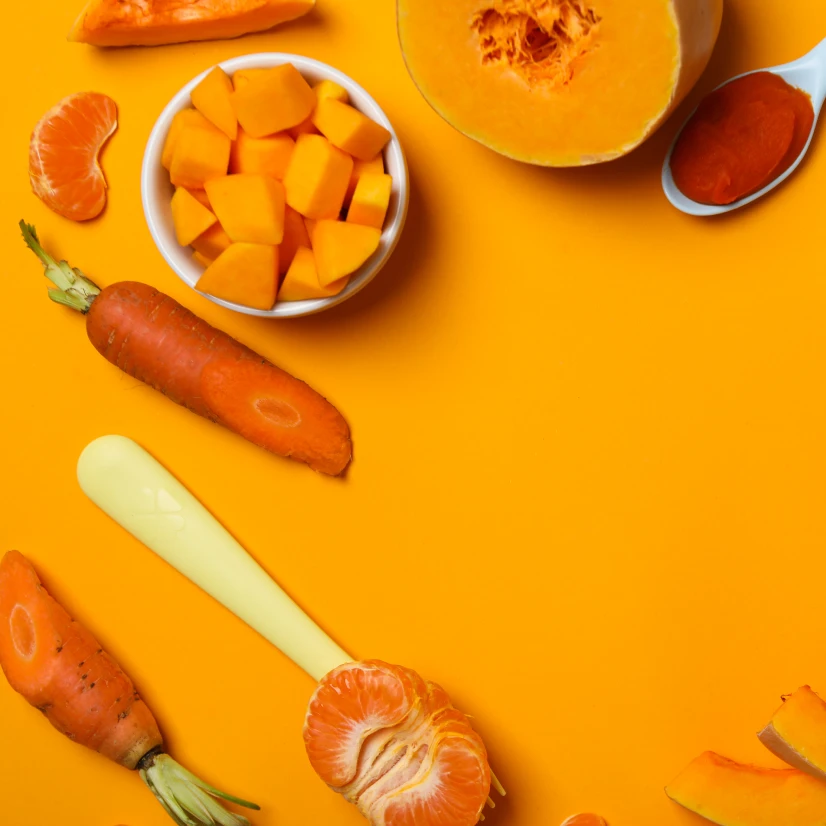
- Lutein and zeaxanthin: Found in leafy greens such as kale and spinach, as well as squash and other colourful vegetables. These antioxidants are important components of the retina.
- Vitamin C: Found in oranges, bell peppers, broccoli, and other fruits and vegetables. Vitamin C is an antioxidant that supports overall eye health.
- Beta-carotene: Found in carrots, sweet potatoes, squash, and leafy greens. Your body can convert beta-carotene into vitamin A, which plays an important role in healthy vision.
- Other antioxidants and nutrients: A varied diet filled with colourful fruits, vegetables, whole grains, nuts, and healthy proteins can provide a broad range of nutrients your eyes need.
Basically, the more colour you can get onto your plate, the better.
Nutrition and Dry Eye
Dry eye can be influenced by a variety of factors, including your environment, screen habits, medications, eyelid health, and tear production. Nutrition can also play a role.
Omega-3 fatty acids are found in foods such as salmon, tuna, sardines, flaxseeds, and other sources. Depending on your individual needs, your optometrist may also discuss whether an omega-3 supplement could be appropriate.
Nutrition is one piece of the puzzle, though. If your eyes are constantly dry, gritty, or irritated, we’d rather figure out why than simply tell you to eat more salmon.
Nutrition and Age-Related Eye Changes
As we get older, our eyes naturally change. A diet rich in colourful fruits and vegetables provides antioxidants and other nutrients that support overall eye health.
Foods containing lutein and zeaxanthin, including leafy greens and squash, are particularly useful additions to a balanced diet. Fatty fish can also provide omega-3 fatty acids.
Good nutrition doesn’t guarantee that you’ll avoid age-related eye conditions, but it is one healthy habit that can support your eyes as you age.
Nutrition and Cataracts
Cataracts are a common part of ageing and occur when the normally clear lens inside the eye becomes cloudy. Nutrition cannot prevent cataracts entirely, but a balanced diet rich in antioxidants may support overall eye health.
Fruits and vegetables provide nutrients such as vitamin C and beta-carotene. Try adding foods like oranges, bell peppers, broccoli, carrots, sweet potatoes, and leafy greens to your meals.
And yes, this is your official permission to make your grocery cart look suspiciously colourful.
A Little Nutrition Knowledge Goes a Long Way
Sometimes, supplements may be appropriate, but they aren’t automatically necessary for everyone. Your nutritional needs depend on your diet, health, medications, and individual eye health.
Certain eye health supplements may be recommended for specific conditions or nutritional needs. Before starting a new supplement, talk to your optometrist or healthcare provider so you can make an informed choice.
You don’t need to completely overhaul your diet to support your eyes. Small, sustainable choices can add up over time.
Eat a variety of colourful fruits and vegetables, include healthy sources of fats and protein, stay hydrated, and keep up with regular eye exams. Your eyes will appreciate the effort.
Frequently Asked Questions About Eye Nutrition
A varied diet is the best place to start. Leafy greens, colourful vegetables, fruits, fatty fish, nuts, seeds, and whole grains can provide nutrients that support overall eye health.
Yes, carrots contain beta-carotene, which your body can convert into vitamin A. Vitamin A is important for normal vision. But carrots aren’t a magical vision superfood, so don’t feel obligated to eat them exclusively.
Nutrition may play a role in supporting healthy tear function, particularly through sources of omega-3 fatty acids. However, dry eye can have many causes and may require other forms of treatment.
No food can guarantee that you’ll avoid cataracts. However, a balanced diet rich in antioxidants and nutrients such as vitamin C and beta-carotene can support overall eye health.
Leafy green vegetables such as kale and spinach are good sources. You can also find these nutrients in foods such as squash and other colourful vegetables.
Not necessarily. Supplements aren’t right for everyone, and some are intended for specific eye conditions or nutritional needs. Talk with your optometrist or healthcare provider before starting an eye health supplement.
Absolutely. If you’re wondering whether your diet or supplements may be affecting your eye health, bring your questions with you. We’re happy to talk through your concerns and offer guidance based on your individual needs.








Come Visit Our Optical Shop in The Beaches
We’re just 20 minutes south of downtown Toronto, and a short stroll from the beach. Stop by, and we’ll help you find a look you love.
Our Address
- 1944 Queen St. E
- Toronto, ON M4L 1H6
Contact Information
- Phone: 365-650-6826
- Email: envyeyewearboutique@gmail.com
Hours of Operation
What Our
Patients
Are Saying
Yasmin fixed my two glasses for free. Thank you very much!
The place is fashionable and clean inside. I’ll come back to buy new items.
Yoko K
Yasmin worked hard to get my warranty approved and I now finally have great sunnies just in time for summer! I appreciate how hard Yasmin worked behind the scenes for me.
Lauren Hoffman
This place is excellent! Great service and very knowledgeable. My son and I have been for a few appointments now and we always feel well taken care of. Highly recommend!
Philip Nguyen

Envy Eyewear Boutique

Specialty Eye Exams
Brands
Our Location
- 1944 Queen St. E
- Toronto, ON M4L 1H6
Contact Us
- Phone: 365-650-6826
- Email: envyeyewearboutique@gmail.com